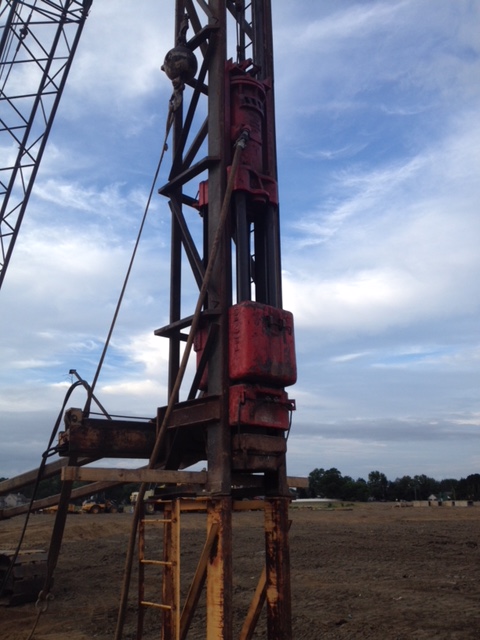
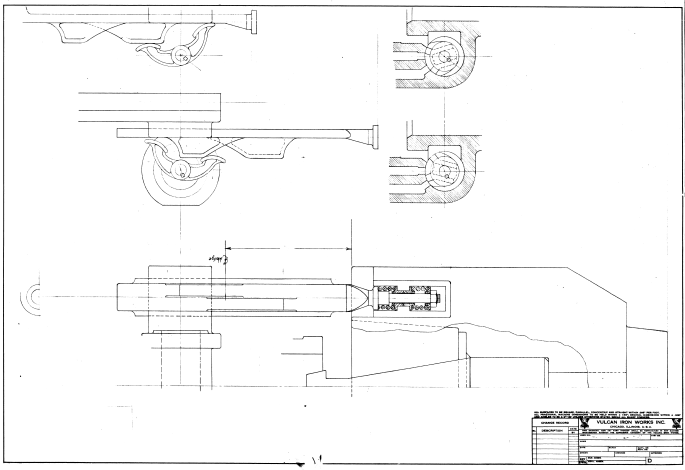
The #2 was one of the earliest "Warrington-Vulcan" single-acting hammers to be produced. The first one was S/N 6, made for the Marquette, Houghton and Ontonagon Railroad Company. The general arrangement for the hammer is above. The first extant layout of the Vulcan #2 Hammer, dated 9 February 1887. It's probably the first extant layout … Continue reading Vulcan #2 Hammer: Specifications and Information
Category: The Products
The Information Vulcan Requested for Driving Accessory Purchases
Below is a sheet showing the recommendations Vulcan made to its distributors in gathering information for driving accessories. Driving accessory orders were (and are) generally custom orders; knowing this type of information made it easier for Vulcan and its distributors to fulfil their customers' requirements. This sheet dates from the mid-1960's, after the executive office … Continue reading The Information Vulcan Requested for Driving Accessory Purchases
Vulcan Hammers and the Gates Formula
For many years, Vulcan included Engineering News Formula charts and data in its literature. Vulcan dropped the EN formula out of its literature in the 1970's, for two reasons: the wave equation was in the ascendancy, and endorsement of the EN formula was an implied endorsement of the "bearing power" of the piles they drove, … Continue reading Vulcan Hammers and the Gates Formula
Vulcan #1 Hammer in Ohio
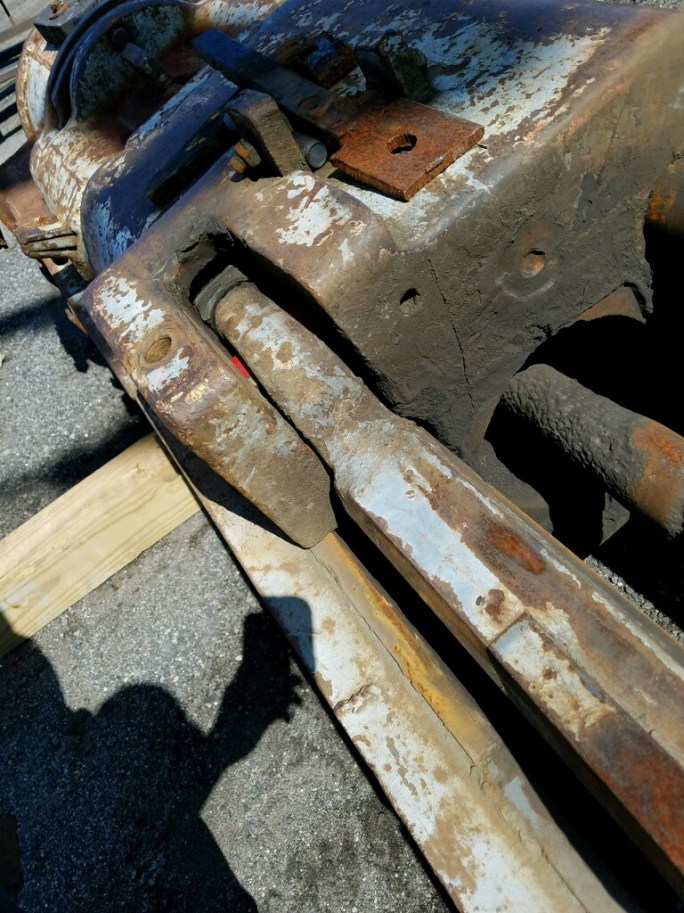
Below are three photos taken of a Vulcan #1 hammer in Mentor, Ohio. It's in fixed leaders with a moonbeam-style spotter. The hammer was made in Chicago, which means that it's probably older than sixty years. Thanks to Ken Foster for sharing these great photos.
Compressible Flow Through Nozzles, and the Vulcan 06 Valve
Most of our fluid mechanics offerings are on our companion site, Chet Aero Marine. This topic, and the way we plan to treat it, is so intertwined with the history of Vulcan's product line that we're posting it here. Hopefully it will be useful in understanding both. It's a offshoot of Vulcan's valve loss study … Continue reading Compressible Flow Through Nozzles, and the Vulcan 06 Valve
The Best Way to Celebrate Your 120th Birthday is With a New Slide Bar Part
On our Engineering at Vulcan page, we posted this general arrangement of the Vulcan #2 dated 1887. Little did we suspect that we'd need that drawing, but then these photos from Crofton Diving of Portsmouth, VA, arrived: The hammer in question is Vulcan S/N 116, originally sold to the Florida East Coat Railroad (not far … Continue reading The Best Way to Celebrate Your 120th Birthday is With a New Slide Bar Part
ZWAVE
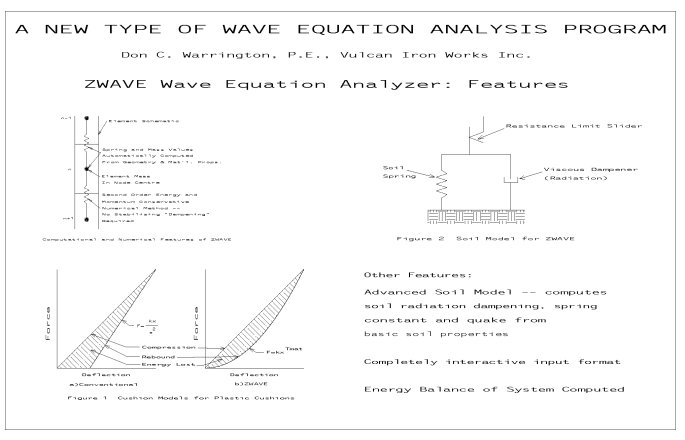
ZWAVE was Vulcan's foray into the wave equation program field. It was an outgrowth of research that dated back to the late 1970's on the magnitude of impact forces of its hammers on pile tops, so as to estimate both the loads on the equipment and the stresses on the piles. The first tangible result … Continue reading ZWAVE
Vulcan Vibratory Hammers and Vibratory Technology
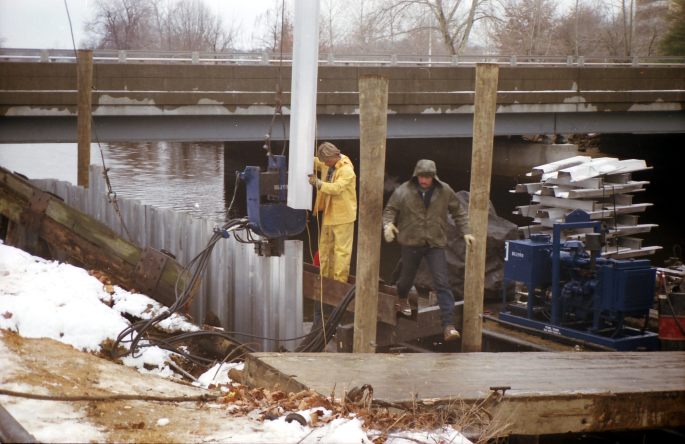
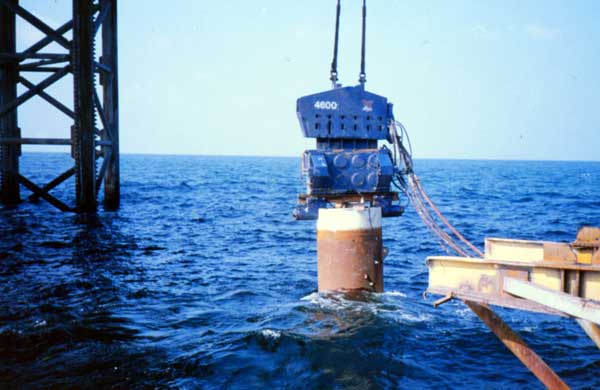
By World War II, Vulcan's air/steam hammer line dominated its production and revenue stream. Of all of the attempts Vulcan made to diversify is pile hammer line after that time, probably the most successful was its line of vibratory pile hammers. Vibratory pile driving equipment represented a major departure for Vulcan, but it also represents … Continue reading Vulcan Vibratory Hammers and Vibratory Technology
Vulcan High-Frequency Vibratory Hammers
The mid-1980's were lean years at Vulcan. The offshore market was still down, the aftermath of the collapse of oil prices earlier in the decade. Vulcan's own diesel program had to be stopped, plagued by design and manufacturing problems and an overvalued US Dollar. The vibratory hammer program was going reasonably well but the market … Continue reading Vulcan High-Frequency Vibratory Hammers
Vulcan’s Medium Frequency Vibratory Hammers
In 1984 Vulcan re-entered the vibratory hammer market with the introduction of the 1150 vibratory hammer. This hammer made its debut on a project in Bangor, Maine for Cianbro Construction. More suited for the American market and adequately powered, these machines were far more successful than the Vulcor hammers had been. The technology used was … Continue reading Vulcan’s Medium Frequency Vibratory Hammers